
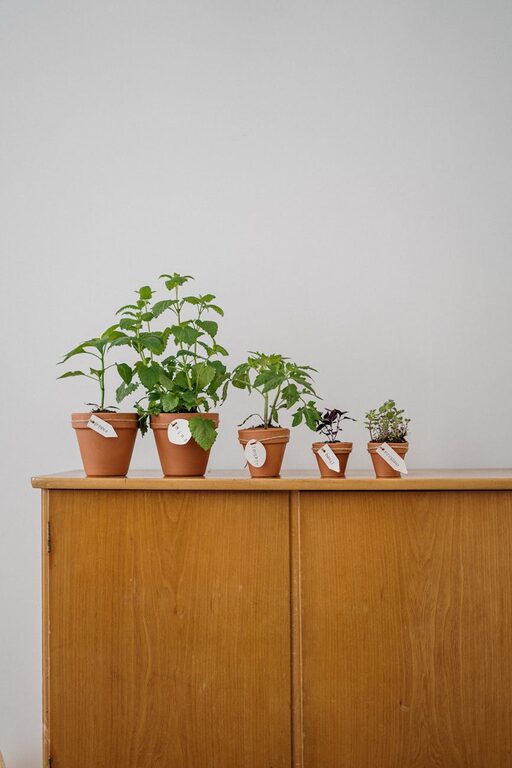
Starting an indoor herb garden is a rewarding and practical way to enjoy fresh flavors while brightening your living space. Whether you have a sunny windowsill or a small corner in your kitchen, growing herbs indoors is easier than you might think. This guide will walk you through the essential steps to get your small herb garden up and thriving.
Why Grow Herbs Indoors?
Indoor herb gardens offer freshness at your fingertips. You can snip fresh basil, mint, or parsley any time you cook, enhancing your meals with natural flavors. Additionally, caring for plants indoors helps purify the air and can be a calming hobby.
Choosing the Right Herbs for Indoor Growing
Not all herbs thrive equally well indoors, especially if you have limited light or space. Here are some herbs that are well-suited for indoor growing:
– Basil: Needs plenty of light and warmth.
– Mint: Grows well in moderate light and spreads quickly.
– Parsley: Tolerant of lower light, but prefers some direct sunlight.
– Chives: Hardy and easy to grow.
– Thyme: Requires good light but tolerates drier soil.
– Cilantro: Prefers cooler temperatures and consistent moisture.
Choose herbs based on your kitchen’s lighting and your cooking preferences.
Selecting Containers and Soil
Containers
Herbs need proper containers with drainage holes to prevent root rot. You can choose from:
– Small pots (ceramic, terracotta, or plastic)
– Window boxes
– Recycled containers (just ensure proper drainage)
Consider the size of the herb’s root system; for example, basil needs a bit more space compared to chives.
Soil
Use a high-quality potting mix designed for container plants. Avoid garden soil, which can be too heavy and may contain pests or diseases. A good potting mix drains well and retains enough moisture.
Finding the Perfect Spot Indoors
Most herbs require at least 6 hours of sunlight daily. South-facing windows are often the best location. If natural light is limited, consider supplementing it with a grow light. LED grow lights are energy-efficient and provide the right spectrum for healthy plant growth.
Place your herbs in a spot where they will receive consistent light, and avoid areas near drafts or heat sources like ovens.
Planting and Caring for Your Herbs
Planting Seeds or Starter Plants
– If you choose seeds, follow the instructions on the packet about depth and spacing.
– Starter plants or seedlings are faster to establish and less prone to early mistakes.
– Fill your pots with potting mix, leaving about an inch below the rim.
– Plant seeds or seedlings gently, then water lightly.
Watering
Herbs generally prefer their soil to dry out slightly between waterings. Overwatering can cause root rot. Check soil moisture by sticking your finger about an inch into the soil; water if it feels dry.
Feeding
Feed your herbs with a balanced, water-soluble fertilizer every 4-6 weeks to promote healthy growth. Avoid over-fertilizing, which can reduce flavor.
Pruning and Harvesting
Regularly pinch back herbs to encourage bushy growth and prevent flowering, which can reduce flavor. Harvest leaves as needed, cutting just above a set of leaves.
Troubleshooting Common Issues
– Yellowing leaves: Often a sign of overwatering or poor drainage.
– Leggy plants: Lack of light causes herbs to stretch. Move them to a brighter spot.
– Pests: Indoor herbs can attract aphids or spider mites. Wipe leaves gently with a damp cloth or use insecticidal soap if necessary.
Tips for Success
– Rotate pots occasionally to ensure all sides get light.
– Group herbs with similar water and light needs together.
– Use a humidity tray or mist plants if your indoor air is dry.
– Clean pots and tools to prevent disease.
Enjoying Your Indoor Herb Garden
Having an indoor herb garden not only improves your cooking but brings a vibrant, natural touch to your home environment. With just a little care, you can enjoy fresh herbs year-round, no matter the season.
Give indoor herb gardening a try—you might find it a gratifying and delicious hobby. Happy planting!